Category: News

  • interview on italian magazine Sodapop

    Italian musician and journalist Andrea Ferraris interviewed me for Sodapop, a popular online music magazine (in italian).

    If you can read the three-color language and you are interested in my prolix answers, you can point your browser here:
    http://www.sodapop.it/rbrth/content/view/590/9/ 

    (there is no english version for this, except of course a crappy automatic google translation)

  • The New Now of Music: reflections after SXSW

    This year at SXSW I attended several panels focused on the future of the music business, and although I am obviously in the business myself and would probably draw larger benefits from an old-school music business model, I am very aware of the fact that it is never going to be like it was ever again, for better or for worse.

    Throughout the panels I attended I came to an alarming realization: the major players and their lawyers have not yet understood how radically everything changed and are still hoping that they will be able to somehow monetize the distribution of music. They are desperate to find solutions to do so but in the process can’t even agree on anything amongst themselves. So, in the meantime, everything keeps moving towards the point of no return (that being the point where the old business model for monetizing music becomes 100% obsolete) – which I think we already passed anyway. They think that the music industry is changing and are trying to move along as swiftly and cumbersomely as they possibly can. I think that the change has already taken place and it’s irreversible.

    The most interesting of these panels was the one called “Is Collective Licensing for P-2-P File Sharing a Future Source of Income for the Music Industry?” featuring Songwriters Guild of America president Rick Carnes, entertainment attorney Dina LaPolt, Future of Music Coalition general counselor Walter McDonough and McGill University professor and Schulich Distinguished Chair Sandy Pearlman (definitely my favorite speaker as well as a great producer, radio Dj, manager, record executive, poet and more):t probably some of the brightest, most engaging and well meaning of all the panelists I have listened to this year. Contrary wise to some other backward thinking stone age movers and shakers who are in denial and just can’t swallow the fact that they are not making as much money as they were used to making and that their pants are around their ankles (as a smart fellow attendee eloquently put it), these four individuals definitely have a more mundane and intelligent approach. Nevertheless I personally think some of them are missing the mark (at least on some of the things discussed) and I would like to offer my personal opinions on the matters.

    The ubiquitous paradise of infinite storage theorized by Mr. Pearlman will soon be here (at least in the western world) and I look forward to having my first infinite mobile storage implant (and of course a second implant for the backup – unless that will be in the cloud). Whether storage will be cloud-based or solid and personal, it will be virtually unlimited for everyone soon enough, which means that even if there will be successful subscription-based total-catalog-access music services, future generations will probably still choose to go “steal” the music rather than pay for it (we are in a recession after all ;-)). The reason for that is simple: the old “stealing” is the new “getting”. New generations don’t perceive it as stealing and that’s how they are growing up.
    Therefore I cannot share Mr. Pearlman‘s hope for a re-education of the masses because I just don’t think that is a realistic proposition. As a professional audio engineer and producer I have great appreciation for high quality audio and for the differences between a compressed mp3 and an un-compressed wave file. I would love nothing more than for my work to be heard uncompressed and on good systems and I would love nothing more than for the world to even be able to tell the difference. Unfortunately that also has changed. The “kids” of today are unable to discern or just don’t care about quality all together (whether that is their fault or a result of the habit of listening through computer speakers or $5 earbuds is another story). They care about free and free is all they know. They don’t know that people used to pay for this and the future generations will barely even know about the existence of the CD (let alone the vinyl) and of how these medium(s) sounded. As Pearlman pointed out, surveys show that people are not willing to pay for music anymore because they have gotten used to free instant access. This is the new now.

    LaPolt is absolutely correct when she points out that nobody is able to agree on anything. Frankly I strongly believe they never will reach an agreement because the nature of free markets pushes all the players towards greed and competition. They can’t agree because they are unwilling to share, every one wants it all for themselves.
    Where I think LaPolt is mistaken is when she invokes the help of the ISPs to regulate the distribution of music by charging a blanket fee for having access to music downloads (which would probably not go over well with people who just check their email once every couple of days). ISP’s aren’t even subscribing to the three-strikes-and-out policy lobbied by the record companies because they are so afraid of loosing subscribers.
    Charging a blanket fee is highly unfeasible for two main reasons: (a) as McDonough points out, with the availability of encryption and hackers always being a step ahead it won’t be possible to control what data users are downloading; and (b) we are slowly but surely (at last!) moving towards a wireless world where free internet access is available to everyone everywhere, and once there are enough open networks and enough bandwidth people might no longer even need to have a contract with a specific ISP.
    Either way, surely it is easy enough to mask your mp3 download as a (say) picture download, so how would we know who is downloading what?

    If on the other hand we can establish the absolute identity of the user (as Carnes advocates) it might be possible to charge based on bandwidth usage. Aside from the great online privacy and security concerns that this would generate, I think this solution is also impractical for two other main reasons: (a) there are bandwidth-intensive uses that we already pay for in other ways (think Netflix subscriptions for instant on-demand movies) and (b) there are users (for example photographers or videomakers or business people who do 4 way netmeetings and audio/video-conferencing) who stream, upload, download and share huge files without ever infringing a single copyright (and these users would probably need to take out a mortgage to pay for their bandwidth usage).

    I believe it was Carnes or LaPolt who suggested that the government should step in, but nothing good has ever come from the government so I doubt they have any interest or motivation in trying to resolve the conflicts between spoiled music lovers and greedy music sellers. Wars pay (better) and that’s what keeps Uncle Sam busy all year around.

    Conceptually I agree with Mr. Carnes when he says that music is more like wine rather than water, but in my opinion this almost egalitarian view of how wine should be paid for is anachronistic and inapplicable at best. I would like to think of music as wine but truthfully nowadays, at best, it is watered-down wine and it is definitely traded more like water.

    I had a nice chat with the same well-spoken fellow panel attendee I mentioned above, and he brought up an interesting point I tend to agree with: most likely, while all these players are busy fighting amongst each other, somebody like Google will probably suddenly “solve” the problem on how to put the ‘m’ of money back into the word music.
    This is an especially forward thinking opinion when you think about the fact that Google has been quietly acquiring fiber optical properties and licenses and telephone/VoIP companies left and right.
    Once bandwidth won’t be a problem anymore (and Google might have a big say when it comes to bandwidth) the move will probably be from desktop (or even laptop) computing to absolute mobile computing. When devices like the iPhone will have the processing power of today’s laptops and be able to project a keyboard and a larger screen on a surface OR when cloud computing becomes the new computing (the recent increase in netbook sales could be a testimony to this development) the people in control of the internet’s bandwidth will be the people in control of the access to the cloud, in control of information and in control of the world.

    Personally, if there was a service which gave me (1) ALL the music of the world and gave it to me in (2) HIGH quality and gave it to me (3) EVERYWHERE and (4) AT ALL TIMES (even when I take the subway underground), I would pay for that service. But that’s just me. I care about music, I care about quality of the music, I work in the music business and I am old! Let’s face it. I am barely 32 but that makes me old. That makes me somebody that remembers CDs and vinyl and remembers that music used to be paid for.
    Personally I highly doubt that there will ever be a service like that (one that offers all four things) so infinite personal and portable storage is probably much more realistic at this point.

    I believe we have to accept that music distribution can just NOT be controlled any longer and that from now (or yesterday) on music is (to be) considered a free commodity. We need to find out how to trade free and make money at it.

    I would like to offer my own personal opinion on what will be the only ways left to make money from music in the future (besides control of internet/cloud access, which will realistically not be something start ups and young entrepreneurs will be able to partake in). Of course there are theories and possibilities (added value, subscriptions, tie-ins etc) but I think it will boil down to two big areas:

    1. Filtering Services: with all the music in the world soon to be available on a USB9 keychain dongle (or whatever), there will be a big new need to catalog and filter this music accurately and beyond id3 tags. Accessing millions of songs is no joke if you don’t know exactly what you are looking for and this presents a great opportunity for new business models and ideas.
    Example: today the google search engine is free but you don’t always find what you are looking for and you could end up getting lost searching for something and never actually finding it. If there was a google premium search service that lets you find exactly what you are looking for right away and every time, wouldn’t it be worth your money?
    I believe this might be one important aspect of how the music industry will change, evolve and maybe find alternative revenue streams again.

    2. Live Music: although there has definitely be an inexplicable decrease in interest towards live music in the last decade, I strongly think/believe/hope that there might be a huge come back of concerts because this will always be the thing you cannot replace, steal or download. Yes, there is youtube and you can view, download and even steal concerts online, but it will never be the same as actually being there. Blood, sweat and tears are not digitally reproducible and the enthusiasm and emotions that you can feel at a great live show can hardly be felt any other way. Wherever the music industry will go, I believe there will always be a place for live music and that sector (marketing, promotion, venues, managers and agents) will become a more valuable asset.

    Possibly concerts might even re-rise the bar and become the new filter for good music made by good musicians (it’s easy to cheat in the studio but on the stage technology isn’t gonna make up for a crappy performance). But I am just being optimistic now…

    Of course everything remains to be seen and I am just speculating, like everyone else is, but these are the reasons why I think the currently discussed plans to salvage the old music industry are not practical. We should just stop thinking of the old music industry all together and start inventing the new now of music.

  • Jason Lindner’s Now Vs Now live @ Zinc Bar

    I knew Jason Linder was a great keyboard player (he also currently plays with Meshell Ndegeocello, who sat in on the first set) but tonight was the first I saw him with his own band Now vs Now (featuring the tasteful & frenetic Mark Giuliana on drums and the solid Panagiotis Andreou on bass). They recorded their CD at EastSide Sound so I was familiar with the name of the project but not with the material. Needless to say the musicians are great at what they do. Giuliana’s playing (solos, minimal, intense, fractured or around the beat but always in the groove) is soulful and articulated, continuously and reliably supported and accented by Andreou’s deep groovy lines (who also did some middle eastern singing). The backdrop of sounds, patterns, melodies, harmonies and obviously solos is of course all in the hands of Mr. Lindner, who comps nicely on his wurli and plays funky pockets and spacey leads on his other two brightly lit keyboards (often at the same time, as one would expect). Also joining them tonight is Bebe Israel, a talented young word-crafter who spits at double digits speeds or can sit back and improvise rhymes on the spot just just about anything (from newly elected Obama to the birthday girls celebrating at the Zinc bar) and who likes to remind everyone he’s a survivor because skills survive trends that’s why he won’t expire. His beat-boxing in the second set (the one I saw) was pretty sick too, I must say.

    Although their blend of acid jazz, world music, chill out lounge, progressive stuff possibly might not be as accessible for non-musicians, for those who can appreciate this was one of those inspiring feel-good nights on the town with lots of musical cats and familiar places in the crowd and good music to take with you into the dawn of a new day.

  • Goodbye 2008… Welcome 2009!

    Wow… 2008 was a crazy one and a great one!

    I feel bad for not having posted anything to my blog in months (since last April), but that should give you an idea of how busy I’ve been. I’ve been away for a good part of this year on tour and business trips to Austin, Europe, Japan and so on and so forth… Many things have happened so, today, I want to take the time to thank all of those who have made my year special, in the hope that I have contributed some good to their 2008 as well.


    John Zorn at the Guggenheim
    John Zorn at the Guggenheim


    First and foremost I want to thank my new good friend John Zorn, one of the smartest and most talented composers I’ve had the pleasure to work with. Our collaboration started early this year with his gorgeous album “the Dreamers” and has continued ever since. In 2008 alone I recorded and mixed close to a dozen albums of his. Most importantly though I consider John a dear friend and I look forward to each and every time we get together, whether it’ll be in the studio, live or just for a dinner or a hang. Too bad Tonic is not around anymore, or else I’d know exactly what to do tonight! Dig?

    Skuli Sverisson (bass), Lou Reed (guitar), Brad Hampton (tour manager), myself, Laurie Anderson (voice, electronics), Bill Berger (lights/production), Peter Scherer (keys)
    Skuli Sverisson (bass), Lou Reed (guitar), Brad Hampton (tour manager), myself, Laurie Anderson (voice, electronics), Bill Berger (lights/production), Peter Scherer (keys)


    In 2008, through John, I’ve also had the pleasure to work with Laurie Anderson and Lou Reed. Laurie is an incredibly talented performance artist/composer/poet/writer/violinist/inventor/sculptor etc… I’ve always had great respect for her and liked her music and her multi-dimensional approach to the arts. I’ve been on tour with her for a few months and never grew tired of her incredibly beautiful, haunting and thought-provoking live show (now that it’s over, I feel bad for anyone who hasn’t gotten a chance to see it). She always smiles and probably is one of the sweetest and happiest people I know. Recording and touring with her and all the great people in the band and in the crew was a great experience and all the traveling and the special moments shared together (we were in Tel Aviv the day Obama got elected) brought us all closer together.  Becoming friends with Laurie and Lou was a treat. We’ve had great times together, on tour and back in NYC (Thanksgiving dinner and all that) and I look forward to spending more time and doing more work with both of them.

    Patti Labelle, myself and Liel at EastSide Sound Studios in NYC
    Patti Labelle, myself and Liel at EastSide Sound Studios in New York City


    Another great artist of 2008 I’ve worked with is Patti LaBelle. Producer Bob Cutarella (whom I worked with on the Les Paul tribute album) hired me to record a duet of Patti and the Israeli singer Liel (also featuring Slash on guitar). Furthermore this year I got to see the reunion of Patti’s group the Labelle at the Apollo Theater on December 19th and 20th, beautifully organized by my promoter friend Massimo Gallotta. A memorable two nights during which the Labelles literally set the Apollo on fire (the first night the sound system just shut off, allegedly due to electrical problems, which is why the show was repeated the following night). I can’t say that I became close friends with Patti or Liel, but nevertheless it was a great experience of 2008. You can also see a video of the recording session here: http://www.youtube.com/watch?v=JZ8IJliemEo&eurl  


    Less than seven hours before 2009 and minutes before my good friends in Europe will pop the cork, I want to thank all the people that made my year special. I am looking forward to find them all again in 2009!

    My new year’s resolution is to post in my blog more often which, thanks to the people at Effigent (which as of now allow me to post to my blog from my iPhone), will probably actually happen!

    I leave this year behind thinking of my best friends. My thoughts in particular go to Barry and his family.

    I wish everyone all the best for 2009: much love, health, success, $$$, satisfaction and everything and more of whatever it is you wish for!

    See you next year!

  • Ennio Morricone’s Grammy Award

    I haven’t posted an update in a while because I have been way too busy working on Michael Hardie‘s new record, however many things have happened since I started recording that record back in December in good ol’ Texas.Most notably TWO (not one!) of the tracks from the Sony Classical CD “We All Love Ennio Morricone” were nominated for a Grammy Award in the same “Best Rock Instrumental Performance” category (which might sound a little strange since the album came out on Sony Classical, but whatever).

    Metallica and Bruce Springsteen were the two artists whose tribute to Ennio on this great CD were nominated and ultimately Springsteen‘s song snatched the award from Rush, Satriani, Vai and Metallica themselves. The full list of nominees and winners can be seen here.

    Unfortunately these two were not the tracks I was involved in (I recorded and mixed the track featuring Eumir Deodato and Daniela Mercury), nevertheless I feel honored to have participated in such a great tribute record and in paying tribute to such a grand composer and I want to wish Morricone all the best for an Award that is thoroughly deserved!

  • Marc Urselli in O’Reilly Digital Media

    I recently mixed a song for “The Desert Mothers”, a project by west coast musician Spencer Critchley. This song was recorded and mixed using exclusively the eSession.com service with musicians from everywhere in the country submitting their tracks online. I too received the files and submitted my mixes online.

    An article published in O’Reilly Digital Media by Spencer Critchley himself describes the entire process and highlights the advantages of the eSession platform.

    http://digitalmedia.oreilly.com/2007/12/13/esession-online-recording-for-all.html

    Mentions of me are on page 7 and 8.

    The finished product is also available for listening and purchase at The Desert Mothers‘ website. You can buy a download of the track or you can buy an enhanced CD (including instrumental and ac-cappella mixes, chord charts, lyrics and art) from CDBaby.com

  • Texas Blues

    I recently returned from a business trip to Texas where I was hired to produce and engineer the long-awaited new record of blues singer-songwriter Michael Hardie.

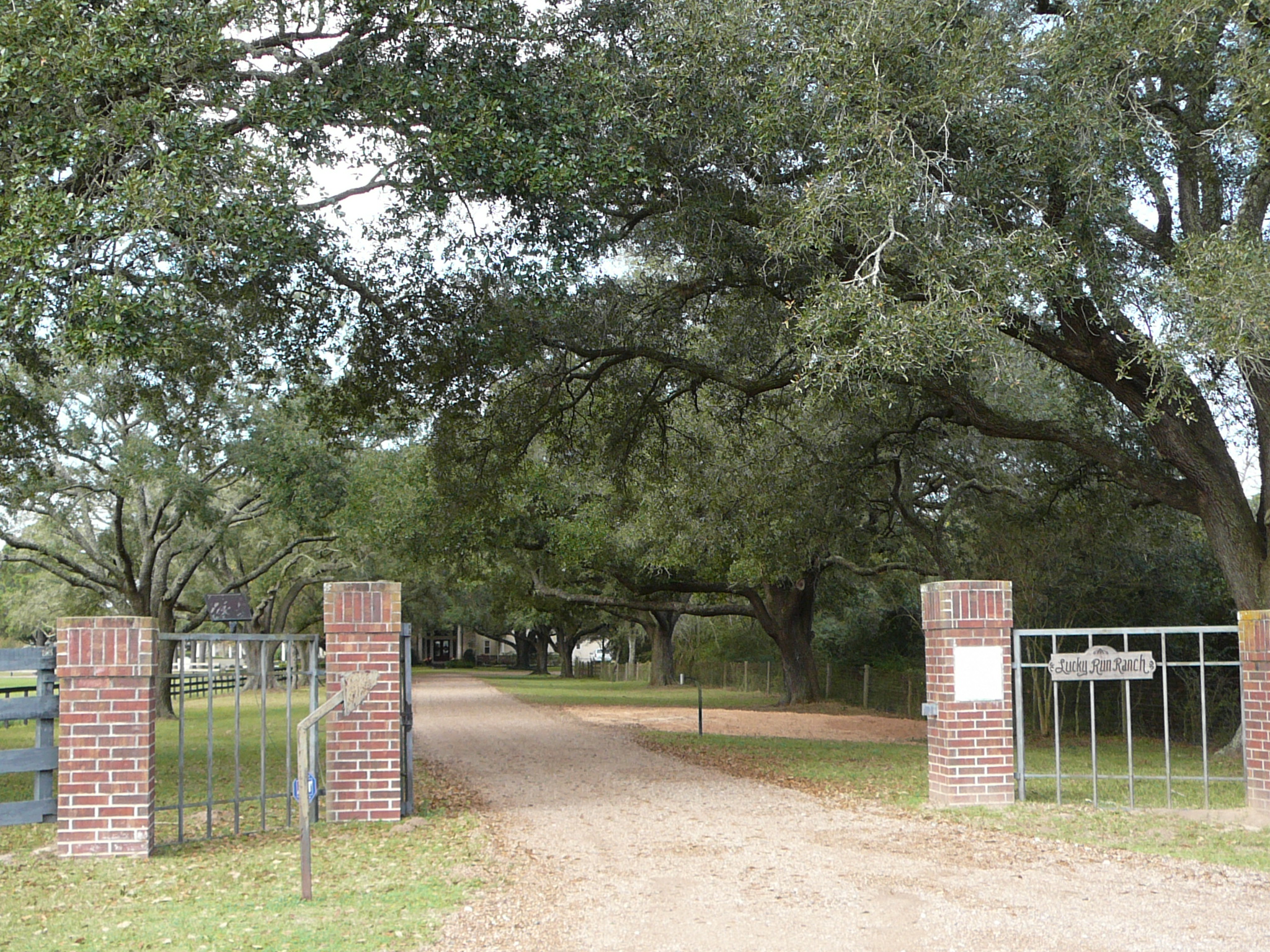
    Lucky Run StudioThe recording took place in the outskirts of Houston, in a beautiful studio on a gorgeous ranch called Lucky Run. Lucky Run Studio was thoughtfully designed and built by LA-native engineer/producer Michael Mikulka and is equipped with a great collection of pre-amps and microphones. The Digidesign Icon-centered room has two large booths on the sides and a window in the front that provides natural light, beautiful sunsets and views of the green plains of Richmond/Fullshear with horses and cattle roaming around. Quite a change from the studios I have been to until now.

    the bandMichael Hardie‘s band was comprised of himself on vocals and guitar, his NY-based talented daughter and singer/songwriter Myla Hardie on piano, her Brazilian percussionist husband and published book author Eduardo “Duda” Guedes on drums, the revered Texas bluesman Milton Hopkins on guitar (previously with B.B. King and related to the late and legendary Lighting Hopkins) and the accomplished hired gun Chuck Rainey on bass. In the picture from left to right you see Milton, myself, Michael, Myla, Duda and Chuck.

    Michael & MiltonThe sessions went smooth and in three days we recorded 12 songs at 24bit/88.2k with everyone playing at the same time (old school, baby!) and, except for the drums, pretty much in the same room too. We’ll be doing more production, overdubs and mixing in my studio EastSide Sound in NYC.

    After this great experience Myla, Duda and I drove to Austin for a few days to research and soak in some of the blues/country/western/folk roots of the town and the surrounding areas. I stayed at the pretty and mexican-styled Austin Motel on South Congress, right across the street from the Continental Club, a staple of the local music scene since 1957, which pretty much became the last stop for me every single night before hitting the sack. During my time there I lived by the Austin Chronicle music listings (which coincidentally that week happened to feature my friend Steve Bilich on the front cover, who directed the award winning documentary “Native New Yorker”) so we hit as many concerts as we could (up to 4 per night! the way I dig it!), including but not limited to Warren Hood (talented and young country/blues fiddle player and singer) @ Momo’s, Dale Watson (oh shit, wait, did I just see Elvis walk by?) @ Continental, Lou Ann Barton (blues singer) @ Antone’s (which is the other legendary joint in town), Chicken Strut (fusion/rock band) @ Antone’s, Alan Haynes (great blues guitar soloist) @ Momo’s, James McMurtry (awesome singer/songwriter with a powerhouse-band behind him) @ Continental, Michael Hardie himself @ Gene’s (just a few blocks east of the Texas Music Museum)… and the list goes on…

    Milton & MarcI had a great time in Austin, a beautiful little city and an oasis of individualism, weirdness and liberal thinking in an otherwise conservative cowboy-land neighboring territory. You can feel the love, people seem to know how to have fun and love to dance (there are a lot of great dancers there, somewhat of a lost art in NYC)… However after 4 nights there I realized that it seems to be a closed community and a closed circle of musicians… I kept seeing the same faces on the dance-floor and I saw some of the same musicians sitting in as guests in multiple places. Yes there is an unusually high concentration of venues for live music (which is awesome!) but what good does that do to the local musicians if it is an excuse for them never to venture outside of Austin? And if there are no great studios, not too many labels, no producers/publishers/music supervisors and industry personnel in general, how are all these great bands going to be discovered? Austin is great for live music and for people who love it and play, but that same greatness can become a self-restraining limitation for those musicians who get too comfortable and fail to realize that there are bigger ponds to swim (and hustle) in…

    Michael & MarcXmas week might not have been the best time of the year to be there: not too many shows that weekend and a lot of places were closed, so I didn’t get to see some other clubs I wanted to check out (Emo’s, the Alamo Drafthouse, the Waterloo Ice House etc). However, with Xmas around the corner, all the cool stores were open for customers, so I got to check out the coolest record store in town (Waterloo Records) and the coolest music souvenir shop in town (Wild About Music), both on historic 6th Street. Also we missed some cool shows (Pinetop Perkin, to mention one) because everything starts so early and ends so early, at least when I compare it to my night-owl-ish life in NYC. But that’s Texas for you… people are relaxed, always late and go to bed early… drives me crazy but what can I do?

    Either way, with all the music I ingurgitated and all the Mexican food I savored, I feel like I’ve had a pretty good Texas experience after all… I think the only things I wanted to do and didn’t get to were riding a horse, riding a bull (even a fake one at a Rodeo bar!) and shooting some beer bottles on a white fence with a rifle!

  • from ASCAP’s Toastmasters Club to the Deems Taylor Awards

    ASCAP Toastmasters ClubIt was with great pleasure that I recently accepted an invitation to be a guest at the ASCAP Toastmasters Club for an interview conducted by the cheerful club president Jo “Laurie King Live” Liu.

    Toastmasters is a worldwide nonprofit organization whose goal is to improve communication skills by teaching its members how to speak more effectively in public and improve presentation skills; and they do so in a horizontal and team-work based environment. The conundrum (word of the day, that day) of speaking well in public without speaking as if you were speaking to the public, lead me to Toastmasters. After reading about it somewhere, in an attempt to improve my own public speaking skills to offer a better service at all the conferences I am speaking at, I had sought out what seems to be the only music-related Toastmasters club in NYC: the ASCAP one.

    I was greeted by a very receptive and attentive group who welcomed me and was extremely cheerful and enjoyable to be around. One could tell that they are a very close team who probably works well together and tries to have fun while doing so.

    In the picture you see (from left to right) Grammarian Adrian Ross (whom I asked for mercy, based on the fact that I am not a native English-speaker), General Evaluator Todd McKinney, Joy Wynter, Jokemaster and talented singer Nikki Blair (whose joke about a nerd in a strip club asking for a laptop I loved!), myself, Table Topics master Dana Thorpe, Greeter/Moderator/Toastmaster Lance Pope, Speaker Marshall Tarley (who gave a beautiful speech about change, touching on science, music and more), Richard Fairfax, Timekeeper Christopher Dobbins and Speech Evaluator Andrew Shreeves (who got me good with a trick question about Louis Armstrong playing his flugel trumpet). The lovable Jo Liu is not in the picture because she was busy pressing the shutter.

    Indeed I had a great time at ASCAP and I hope to be invited back soon.

    Before and after my “toasty” experience, I met with Senior Vice President Seth Saltzman (whose music I am looking forward to hear), Loretta Munoz (who every year does a tremendous job organizing the ASCAP Music Lounge at the Tribeca Film Festival as well as other Film Festival related music happenings) and Jim Steinblatt who does an amazing job at organizing special events such as the Deems Taylor Awards.

    The 40th annual ASCAP Deems Taylor Awards took place yesterday at Jazz at Lincoln Center and was a great (albeit a touch lengthy) show to celebrate book, article and liner notes authors and publishers as well as radio and TV broadcasters: a very important award, given its nature and the fact that a lot of these formats are at risk of extinction in the current state of industry.

    The ceremony included some peculiar performances, most notably a throat singer utilizing a singing technique described in the Béla Bartók Award winning book Where Rivers and Mountains Sing: Sound, Music and Nomadism in Tuva and Beyond by Theodore Craig Levin and Valentina Sϋzϋkei (Indiana University Press) and a violin duet performance of a piece illustrating microtonality, written by one of John Cage’s students, Ben Johnston who wrote the honored book Maximum Clarity and Other Writings on Music (University of Illinois Press).

    Personally, this morning I Amazoned (yes I am indeed pioneering the use of this verb, just as other people say “googled” or “fedexed”) three books that were honored at yesterday’s ceremony: Joe Boyd‘s White Bicycles: Making Music in the 1960s (Serpent’s Tail), Steven Mithen‘s The Singing Neanderthals: the Origins of Music, Language, Mind and Body (Harvard University Press) and Lorraine Gordon & Barry Singer‘s Alive at the Village Vanguard: My Life In and Out of Jazz Time (Hal Leonard Trade Books). I am a slow reader (too busy, what can I tell you) but when I get through with these I plan to amazon myself (that’s right!) at least two more awarded book: the Debra DeSalvo book about the etymology of the blues lingo The Language of the Blues: From Alcorub to Zuzu, published (Billboard Books) and John Gennari‘s book about jazz critics Blowin’ Hot and Cool: Jazz and Its Critics (The University of Chicago Press).

    Also honored were several articles and liner notes. Amongst the articles, a few that caught my attention where Francis Davis‘s “The Singing Epidemic” (The Atlantic Monthly) and Ted Panken‘s “Smalls Universe” (DownBeat), the latter of which unfortunately I couldn’t find online (if there is a link I don’t know of please add it to the comments of this article).

    Last but certainly not least (indeed it is the very why I attended in the first place), in the Television Broadcast category ASCAP honored American Masters – Les Paul: Chasing Sound, which aired on PBS and contains one or two scenes in which you can actually see my ugly mug, mixing with the much prettier Les in my studio, EastSide Sound. John Paulson, the capable director, accepted the award and to the delight and surprise of everyone introduced the unique Les himself, who told another one of his amazing stories (about how he came to New York) and even refrained from dirty jokes (strange indeed!).

    A great event I was pleased to attend and that I hope will see many more editions.

  • October Conferences Marathon

    Wow, it feels like I haven’t posted in ages!!! Of course it doesn’t matter because I am not some popular blogger like Arianna Huffington, Beppe Grillo, Guy Kawasaki or David Lawrence… Other people write blogs for themselves and their mothers: I don’t. I know that because my mother doesn’t read my blog!

    I swept through October like a hurricane. The pace of the best runners at today’s NYC Marathon (taking place as I write) hardly compares to the pace I set for myself during the month of October. The reason? Hundreds of concerts, dozens of panels, large exhibition floors, movie screenings and of course the ever present work!

    Les Paul, Marc Urselli, Geoff EmerickFirst of all there is the AES Convention. A geek fest of colossal proportions which gathers audio aficionados from all over the planet inside the Javits Center of NYC every other year. This year’s 123rd edition was bigger than last year’s and rich with exciting educational opportunities, new hardware, software, services, award shows and after parties. I attended as many panels as I could to further my knowledge, but the most exciting talk was probably the one where the legendary Beatles engineer Geoff Emerick (see my post about his amazing book!) commented the scenes of the the BBC documentary “It was 40 Years ago Today” about the re-make of the Sgt Pepper’s Lonely Hearts Club Band album by some of Britain’s most popular rock bands. Seeing these bands grapple with having to get it right to tape without the luxury of Pro Tools and stuff like that was inspirational to say the least. Razorlight, Kaiser Chiefs, The Fray, Stereophonics, Travis, Magic Numbers and Bryan Adams were among some of the bands involved in this re-make, which took place at Mark Knopfler’s personal studio, with the original Beatles engineer and assistant and the original Beatles gear (4 tracks and all that cool stuff). The documentary is an initiative by Bob Geldof, whose production company shot it, but unfortunately has only been aired in the UK (on BBC). If you look on the internet you can actually find it (I did), but you won’t find the specials features contained in the DVD version (which is not and probably will not ever be released). These features include interviews with Emerick and other people involved in the original recording sessions of the historical Beatles album as well as tech talk about the equipment being used back then and being re-used for this re-make (if somebody does find these features online please contact me – I would love to see them!). Seeing these chapters and hearing Emerick comment on them was an absolute treat, considering that they’ll most likely never see the light of the day due to contractual issues and due to the fact that there were too many parties involved (BBC, Geldof, the Beatles estate, the Lennon estate a.k.a. Yoko Ono, the producers etc). At the TEC Awards dinner and show (hosted by the great and funny Will Lee) I was talking to Les Paul and his son Rusty when Emerick came over to say hi to Les, so I actually had the pleasure to get my picture taken with Emerick and Les Paul at the same time, which was like being in the middle (literally and figuratively) of two of audio history’s most influential, unique, ground-breaking and revolutionary characters! What a treat!

    A week after AES, CMJ 2007 took place downtown. I was a speaker at one of the panels and I attended as many other panels as I could, because you can never stop learning! Of course I went to plenty of shows as well, as many as I could fit in my schedule. I didn’t go see any of the movies, but CMJ is always a great networking opportunity, so I walked away with cards and contacts. I am not going to talk about CMJ at length because I actually was asked to write a full report about it, which will be published in an upcoming issue of the Recording Magazine (along with another article about Vocal Recording that I wrote for the same magazine). Of course as soon as it is published I will post that news here in the blog so anyone can go out and get a copy of the mag to read my article and all the other interesting features. In short, however, I will say that some of the bands on the CMJ bill that you should look out for are Raining Jane (LA), The Section Quartet (LA), Mieka Pauly (NY/Boston), The Hard Lessons (Ferndale, MI)… There were of course many other very valid bands but I could only be in some many places at any given time, not to mention I spent some of my evenings checking out some of the more established acts that this year’s CMJ pass allowed badge-holders to see (Zakir Hussain with Mickey Hart and Giovanni Hidalgo, Holy Fuck opening for UNKLE, M.I.A. and some others).

    Finally, since I do have a passion for photography, at the same time of CMJ (of course!), there was also PDN happening, the big photography convention at Javits Center with plenty of cool gear and stuff for the visually-inclined. I sprinted (literally) through the looooong aisles of Javits’ huge exhibit floor (bigger than AES!) on Saturday morning and then catapulted myself back downtown to see more panels and shows!

    So that is what kept me busy and away from blogging… we’ll see what my excuse will be next time!

  • Marc Urselli to speak at CMJ panel

    I’ve been invited as a speaker to the 2007 CMJ Music Marathon & Film Festival. I am excited to be sharing the podium with such esteemed fellow panelists such as Engineer and Producer Ethan Allen, Mastering Engineer James Cruz, DJ Rich Medina. More info on the panel and the panelists here: http://cmj.com/marathon/panel_show-template.php?panel_id=58

    The panel will be moderated by Producer, Arranger, Keyboards, Composer Jason Miles and is scheduled to take place Thursday, October 18th at 1:15pm.